
- Why coming home is harder than people expect
- Step 1: Give yourself permission to transition, not just "bounce back"
- Step 2: Re-enroll before the momentum fades
- Step 3: Rebuild structure on purpose
- Step 4: Reconnect your identity to your goals
- Step 5: Find your people again
- Use the tools you already have
- Keep first things first
Coming home from missionary service is strange in a way almost no one prepares you for. One day your life had total structure — a companion, a schedule, a purpose that was clear down to the hour. The next day, that structure is just... gone. You're standing in your childhood bedroom or a new apartment, and the question isn't "what does the mission president want me to do today" anymore. It's "what do I want to do with my life."
That question is exciting. It's also disorienting. And if you're planning to jump back into BYU-Pathway, this guide is here to help you do it in a way that works with your brain right now, not against it.
Why coming home is harder than people expect
Psychologists call it "role exit" — the process of leaving behind an identity that gave you purpose, structure, and community, and figuring out who you are without it. It's a real adjustment, not a character flaw. Feeling unmotivated, restless, or oddly sad in the first few weeks home doesn't mean something is wrong with you. It means your brain is recalibrating.
The mistake a lot of returning missionaries make is trying to either freeze the mission mindset in place forever, or bury it and "get back to normal" as fast as possible. Neither works well. The better path is smaller and steadier: rebuild your structure one piece at a time, starting with something concrete you can control.
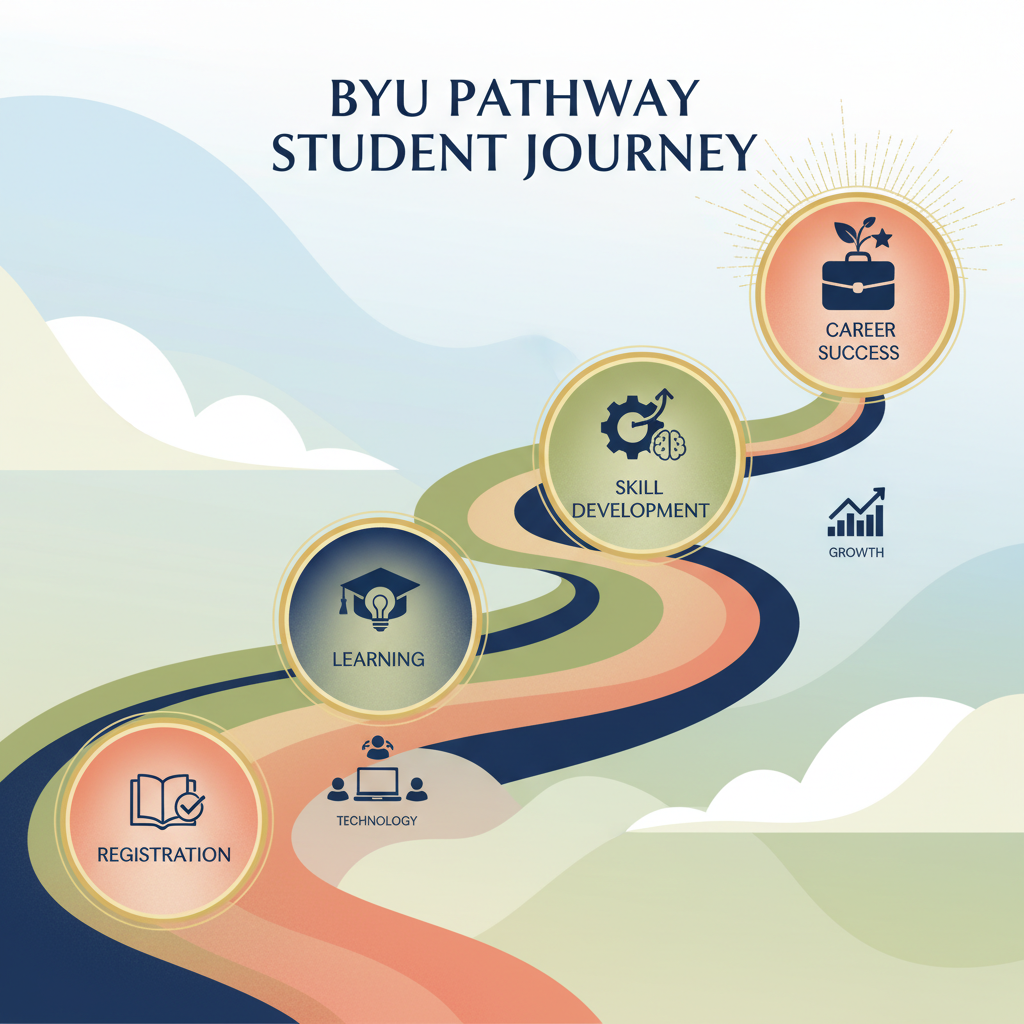
Re-enrolling at BYU-Pathway is a great first piece, because it gives you a next assignment, without demanding you have your whole future figured out yet.
Step 1: Give yourself permission to transition, not just "bounce back"
Before you touch a single form, do this: name what you're feeling. Excited? Tired? A little lost? Write it down, or say it out loud to someone you trust. Suppressing the adjustment period doesn't make it move faster — it just makes it show up later as burnout or shutdown.
There is no prize for re-enrolling the same week you get home. If you need seven to ten days to just exist, breathe, and reconnect with family, take them. What matters is that you don't let seven days quietly turn into seven months.
Step 2: Re-enroll before the momentum fades
That said — don't wait too long either. Momentum is real, and it's easiest to use while it's still there. A practical target: start your re-enrollment paperwork within your first two to three weeks home.
Here's the simplified path:
- Log back into your BYU-Pathway account and check your enrollment status.
- Confirm your PathwayConnect or degree-track status hasn't lapsed — if it has, look up the reactivation steps rather than starting completely from scratch.
- Update your contact info, especially your phone number and mailing address, since these often change after service.
- Check the upcoming gathering start dates and pick the one that gives you enough runway to prepare.
- Reach out to a missionary and student services rep if anything looks unfamiliar. The systems get updated often, and it's normal to need a refresher.
If you served in an area with limited internet access, some of the platform may have changed since you last used it regularly. Don't assume something is broken just because it looks different — check the current Help Center article for that feature first.
Step 3: Rebuild structure on purpose
Your mission gave you structure by default. Now you have to build it by choice, and that's a genuinely different skill. Start simple:
- Pick a wake-up time and stick to it, even before classes start.
- Block time each day for something productive — job search, scripture study, a walk, an application.
- Set one weekly "reset" appointment with yourself, just like a student already in the program would (see our Time Management guide for the full system).
You're not trying to recreate the mission schedule. You're trying to prove to yourself that you can still build a life with intention, even without someone else setting the schedule for you.
Step 4: Reconnect your identity to your goals
Something worth naming directly: a lot of returning missionaries quietly feel like their "best self" was the missionary version of them, and worry that version is slipping away as normal life resumes. That feeling is common, and it's also based on a bit of a false choice.
The discipline, the people skills, the resilience you built didn't belong to a name tag. They belong to you. Re-enrolling in school isn't a step down from mission life — it's the next place to point those same skills. Try writing down three abilities your service sharpened (teaching, planning, listening, staying calm under pressure — whatever fits you), and then write down where each one shows up in a student's daily life. The connection is usually closer than it feels.
Step 5: Find your people again
Isolation is one of the fastest ways to stall out during this transition. BYU-Pathway's weekly gathering exists partly for this exact reason — it's a built-in way to be around people who are also rebuilding their routines and chasing a goal. Show up to your first gathering even if you feel behind or rusty. Everyone in that room started somewhere.
Use the tools you already have
- BYU-Pathway Student Portal — for re-enrollment, degree status, and gathering dates.
- Missionary & Student Services — for anything that looks broken, outdated, or confusing about your account.
- Your gathering leader or mentor — a fast, human answer beats an hour of guessing alone.
- Feeling unsettled after your mission is normal — it's a real psychological transition, not a personal failure.
- Give yourself a short adjustment window, but aim to start re-enrollment within two to three weeks home.
- Rebuild daily structure on purpose, since it won't happen automatically anymore.
- Your mission skills transfer directly to student life; they're not something you're leaving behind.
- Show up to your first gathering, even imperfectly. Community rebuilds faster than willpower does.
Keep first things first
You didn't come home to just "get back to normal." You came home with a year or two of growth, discipline, and perspective that most people your age don't have yet. Re-enrolling at BYU-Pathway isn't a reset button, it's the next assignment. Take it one deliberate step at a time, and give yourself the same patience you gave the people you served.